



The success of a construction project depends on decisions made during planning and design. Structural systems, building materials, and construction methods can influence project costs, construction timelines, and long-term building performance. Evaluating these choices early helps identify opportunities to improve efficiency and avoid unnecessary expenditure.
Value engineering provides a structured way to assess design options and identify practical alternatives that meet the project’s functional, technical, and safety requirements. Experienced value engineering consultants in Dubai can help developers compare these alternatives, improve resource efficiency, and make informed decisions about construction costs and long-term performance.
5 Key Benefits of Value Engineering in Construction Projects
Value engineering helps developers make better decisions about how a building is designed and constructed. It allows engineers to identify unnecessary costs, improve structural efficiency, and select practical construction solutions while meeting the project’s technical requirements.
1. Optimising Structural Design and Material Use
The structural system is among the leading sources of costs in large constructions and multi-storey buildings. The selection of columns, beams, slabs, and foundations influences the amount of materials and costs of construction.
Value engineering can be used to examine structural systems and make them more economical. For instance, changing the distance between columns or selecting different slab systems can help optimise the use of concrete and steel while ensuring sufficient strength.
2. More Effective Construction Cost Management
There are several other factors, apart from material costs, that affect the construction cost. The complexity of design, labour, equipment, procurement and construction techniques may all impact the final project cost.
Value engineering can be used to analyse these aspects and to seek opportunities to minimize avoidable costs while maintaining building performance.
The important areas include:
- Selection of materials: Evaluating materials that are appropriate in terms of strength, durability, availability, and cost.
- Design improvements: Minimising use of material and simplifying structure.
- Construction techniques: Exploring practical techniques that reduce labour requirements and increase productivity.
- Future maintenance, repair and replacement costs: Material selection and system design that take into account future maintenance, repair and replacement costs.
3. Improving Construction Efficiency and Reducing Delays
All engineering requirements may seem fulfilled in a building design, yet the design may still cause problems in the construction process. Challenging site access, complex structural connections, and complex reinforcement arrangements can result in more labour, slower execution, and higher costs.
Value engineering can aid in recognizing these challenges prior to construction. Engineers will review the feasibility of changing the structural arrangement, construction sequence, or materials needed to make the project more manageable.
4. Reducing Material Waste and Supporting Sustainable Construction
Construction projects require a significant amount of materials, especially concrete and steel. The unnecessary use of materials will lead to a high cost of the project and create more impact on the environment.
The value engineering process helps engineers analyse how they can use resources more effectively while preserving structural performance. It could be to optimise structural sizes, choose appropriate materials, or consider alternative building systems.
Value engineering can contribute to sustainable construction by:
- Efficient material usage: Minimising unnecessary concrete, steel, and other construction materials.
- Improved construction techniques: Selecting techniques that reduce waste and increase resource utilisation.
- Durable materials: Using materials that will perform well and do not need to be replaced often.
- Efficiency over time: Maintenance needs and building performance over the life of the building.
5. Enhancing the value of the building for the long term
The price of a building doesn’t cease after its construction. Over time, the investment can be substantial with regard to maintenance, repairs, replacements, and future modifications.
When evaluating various design and material alternatives, a value engineering calculation takes these costs into account. A less expensive material is likely to be cheaper to install but will need to be repaired or replaced often. Occasionally, a longer-lasting investment is more cost-effective over the life of the building.
How Is Value Engineering Applied During Construction Planning?
Value engineering can be most beneficial at the beginning of the planning and design phase. Engineers can now consider various structural systems, materials, and construction techniques prior to making big decisions.
It is easier and less costly to make improvements during these stages compared to modifying designs after construction has begun.
Common steps in a value engineering procedure include
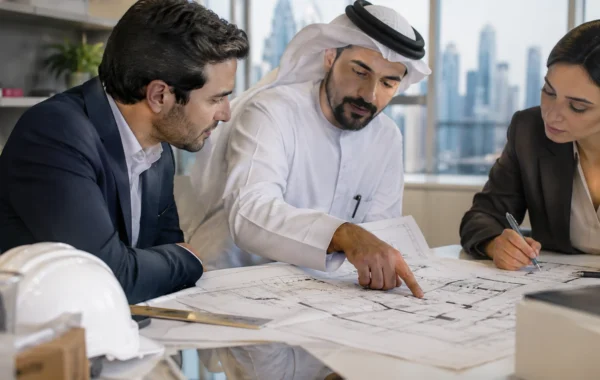
- The Design Review: a procedure involving the review of architectural and structural drawings that could identify areas for improvement.
- Functional analysis: Understanding why each part of the building is there and what it needs to achieve.
- Alternative assessment: Investigating other structural systems, materials, and methods of constructing the structure.
- Technical and cost assessment: Assessing the safety and performance, feasibility of construction, and cost implications of these alternatives.
- Implementation of design changes: The engineering design changes are made after approval.
How Value Engineering Supports Cost-Effective Construction in Dubai
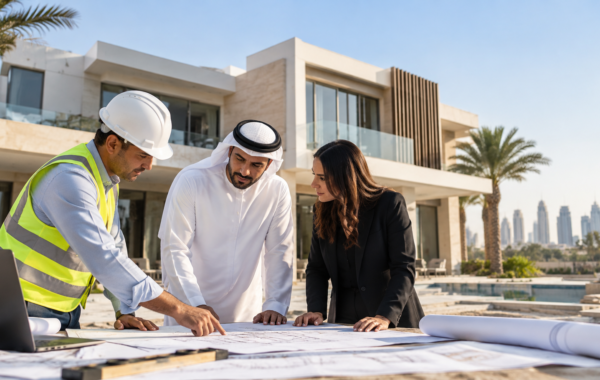
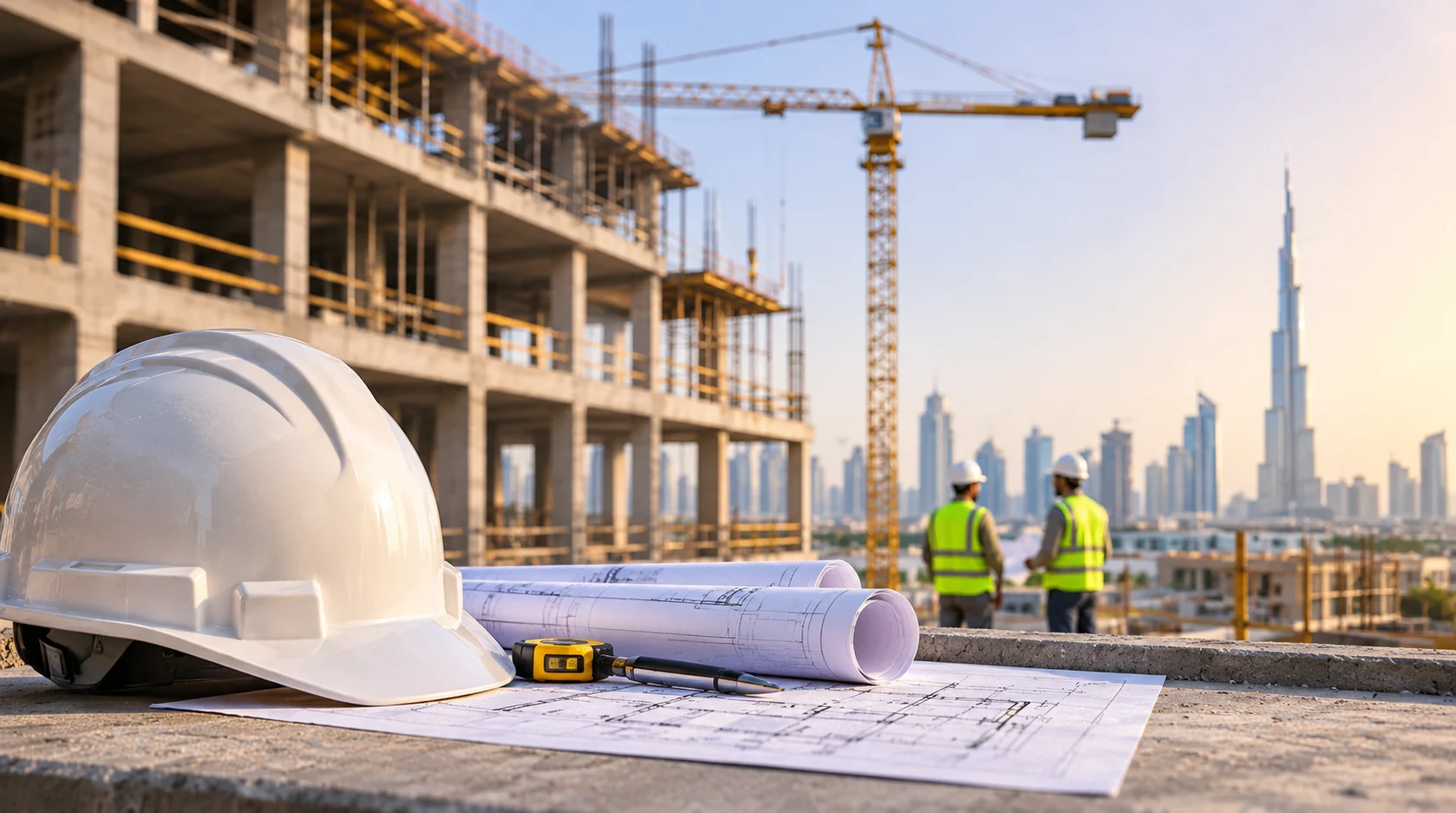
The Dubai construction industry is involved with high-rise buildings, commercial development, housing schemes, and construction of buildings with difficult architectural needs. All these kinds of construction have challenging design requirements and short construction time frames.
Value engineering can be instrumental in ensuring such requirements are achieved effectively. Value engineering professionals in Dubai assist building developers in analyzing construction alternatives, improving material utilization, and finding construction methods that meet technical and economic requirements.
Gadiyar Engineering’s Approach to Value Engineering
At Gadiyar Engineering, our approach to value engineering focuses on structural efficiency, technical feasibility, constructability, and cost optimisation. We assess structural systems, material specifications, and design alternatives to identify opportunities for improvement while maintaining the project’s required safety and performance standards.
Learn more about our value engineering services and how we assess structural systems, material specifications, and design alternatives for construction projects.
By evaluating the technical and financial implications of proposed changes, our team helps project stakeholders compare alternatives and make informed engineering decisions. Our approach considers the project’s design requirements, construction constraints, and long-term performance objectives.
If you are planning a construction project in Dubai, contact Gadiyar Engineering to discuss your engineering requirements and potential value engineering opportunities.