
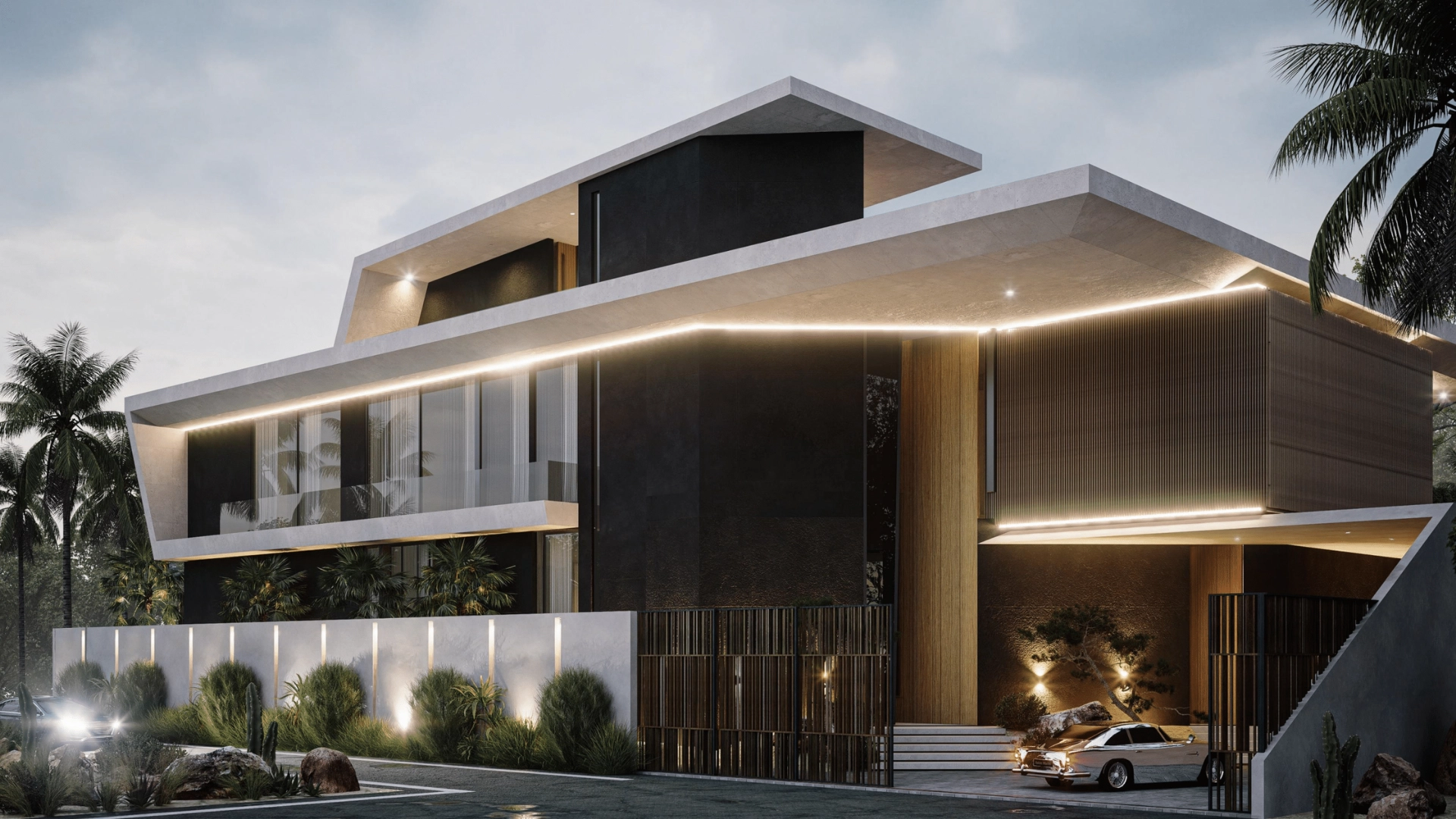


DDA Approval is one of the main and most important steps to be taken when it comes to building in Dubai. The Dubai Development Authority (DDA) is an important body that influences the way the city develops so that all construction projects are informed by the vision of safe, sustainable, and world-class urban development as envisaged by the city of Dubai. Be it a residential villa, a business complex, or a mega-infrastructure project, it is DDA approval that makes a building plan a legally acceptable, high-quality, and future-ready building.
What is DDA Approval?
DDA Approval Dubai is the term used to describe official permission given by the Dubai Development Authority, which governs standards related to planning, design, and construction in certain free zones and development areas within Dubai.
Approval from DDA prior to commencing a project ensures that the proposed design addresses Dubai’s urban planning regulations, safety requirements, and sustainability goals. It’s a necessary step to secure construction permits, complete inspections, and finally get the completion certificate on any project.
The DDA’s areas of operation include Dubai Internet City, Dubai Media City, Dubai Design District, and Dubai Production City, among others. No construction or renovation activity is allowed in these zones without the green light from the DDA itself.
Why is DDA approval necessary for Dubai construction projects?
Dubai has been known for its excellence in architecture and strict construction standards. DDA approval ensures that any development is conducted responsibly to add to that legacy. Here is why it is so important:
1. Legal and Regulatory Compliance
DDA approval is a legal requirement for all construction activities within its jurisdiction. It guarantees that every project will be constructed in compliance with Dubai’s building codes, zoning laws, and development guidelines. Without this approval, projects run the risk of incurring penalties, suspension of work, and even demolition.
2. Safety and Quality Assurance
Dubai’s skyline stands tall because of its commitment to safety and quality. In the review process, DDA includes technical evaluations on structural integrity, material standards, and fire safety systems.
The DDA also verifies that designs include proper fire exits, access routes in cases of emergency, load-bearing calculations, and materials of better quality. This ensures a structurally sound and safe project every time for DDA-guided occupancies and the community in general.
3. Planning Sustainable Smart Urban Planning.
The other fundamental role of DDA approval is facilitating sustainable development. The authority considers the environmental footprint of each project and guarantees that they are energy-saving and have the best waste management systems and water conservation.
All the developments in DDA play into the aim of Dubai as one of the most sustainable and smart urban centers in the world through the realization of an alignment with the urban master plans of Dubai.
4. Streamlined Development Process
Working with the DDA simplifies the entire development cycle. The authority offers an integrated system to help developers go through the various stages of permits, right from concept design to completion certificates.
Early engagement with DDA avoids expensive design mistakes and project delays and speeds up the approval timeline. Saving time represents a proactive approach for developers, contractors, and investors alike.
5. Greater Value of Project and Market Trust.
An approved project according to DDA standards will not only be compliant with the legislation but will also be more palatable to buyers and investors, which constitutes quality, openness, and conformity to the rigorous Dubai building standards.
Such projects are easier to market, resell, or lease because they carry the confidence of being officially approved and verified by one of Dubai’s key regulatory bodies.
In other words, DDA approval is a seal of reliability and quality that will contribute to the long-term success of your projects and build credibility in the market.
What types of projects require DDA approval?
Practically, all kinds of development within the territories regulated by DDA must be agreed to, be it a new building or an extension/adaptation of the one that exists.
Common examples include:
- Residential, commercial, or mixed-use new building construction.
- Renovations of offices, retail space, or villas.
- Works involving interior fit-out, layout, or use changes.
- New additions or extensions, e.g., new floors or rooms.
- outdoor furniture, including pergolas, gazebos, and canopies.
- Demolition or building works.
All of these types of projects should be subject to the planning, safety, and architectural standards of DDA in order to be built.
Documents Required for DDA Approval
While the documents to be submitted for DDA approval vary by project type, some key documents are generally considered mandatory. These are
- Identification: Provide a valid Emirates ID, Passport, or equivalent identification.
- Address Proof: Utility bills, tenancy contracts, confirming address.
- Property Documents: Sale deed, title deed, or lease agreement confirming ownership or tenancy rights
- Architectural Drawings and Design Plans: Complete floor plans, elevations, and technical details approved by a licensed consultant
- NOCs: To be obtained from concerned authorities such as DEWA, Civil Defense, or the Roads and Transport Authority.
- Loan or finance documents include bank sanction letters or mortgage details, if applicable.
- Undertakings and Compliance Statements: Statements that guarantee the project complies with zoning, land use, and safety standards.
Each document should be attested properly and submitted online via the DDA’s digital portal or through approved consultants. Lack of or improper documentation may delay approval.
The DDA approval process
The DDA process consists of various important stages that ensure any project meets the set standards in pre-construction, during construction, and post-construction.

Application Submission
The design drawings and documents are submitted to the DDA through its official Web portal by the developers or their authorized consultants.
Design Review and Assessment
The DDA’s technical team checks the submitted designs for adherence to planning regulations, safety codes, and sustainability guidelines.
Feedback and Revisions
In case any discrepancy or issue is identified, DDA provides feedback for the consultants to revise and resubmit the plans.
Approval and Issuance of Permits
The DDA issues construction permits and NOCs once the plans have been duly verified, permitting commencement of work.
Site Inspections and Monitoring
Periodic inspections are carried out by DDA during the construction phase to ensure on-site compliance with approved designs and safety standards.
Completion and Certification
On completion, a final inspection is carried out, and if everything is to the requirements of the DDA, a Completion Certificate is issued to officially validate the project.
Choose Gadiyar for Hassle-Free Project Approvals in Dubai
Authority approvals are quite complicated without expert support. Partnering with experienced consultants such as Gadiyar makes the entire process seamless.
Gadiyar handles authority approvals in Dubai, helping clients secure DDA approvals faster and more efficiently. From document preparation to submission, revision, and follow-ups, the team will make sure that every requirement is met with accuracy and professionalism.
By opting for Gadiyar, developers can have:
- Expert advice on DDA standards and documentation
- Fast and error-free submissions by direct coordination with authorities.
- time-saving solutions that eliminate administrative hurdles
- A reliable partner who understands the local building ecosystem
Be it a small renovation or a big construction project, Gadiyar Engineering Consultants ensures your approvals are handled with precision to help you build confidently and legally in Dubai.