

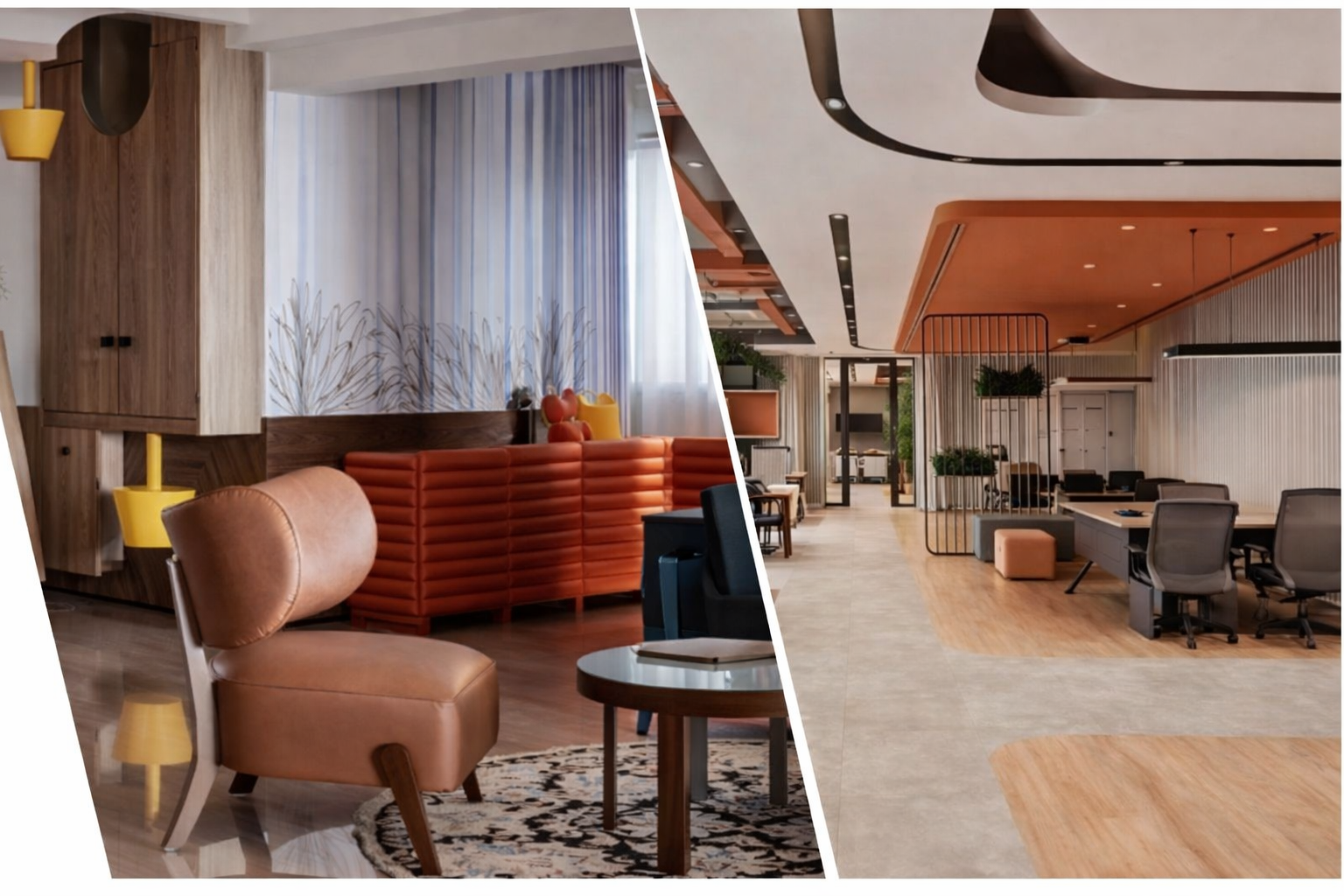

Every building begins with a clear architectural design of what you want to create. The design thinking specifically focuses on the ultimate purpose of the building. That is why it is quite essential to understand the differences between the residential and commercial architectural design solutions.
The primary difference between the two designs is quite obvious. Residential design focuses on people, privacy and comfort. A commercial design is based on business performance, brand, and efficiency. As an integrated engineering and architectural consultancy in Dubai, Gadiyar Engineering bridges these worlds.
Purpose of Residential and Commercial Design In Dubai
The core purpose of residential and commercial design is to create functional, aesthetically pleasing spaces that cater to the specific needs of occupants.
- Residential architecture design – It focuses on creating safe, comfortable, and emotionally resonant spaces where individuals and families live, rest, and connect.
- Commercial architecture – It is driven by functionality, return on investment, user flow, and brand experience, whether the space is an office, retail store, clinic, hotel, or mixed‑use development.
These are the core purposes that would impact every other decision. Gadiyar begins each project with a clear understanding of the client’s goals, local regulations, and long‑term vision.
Residential architecture
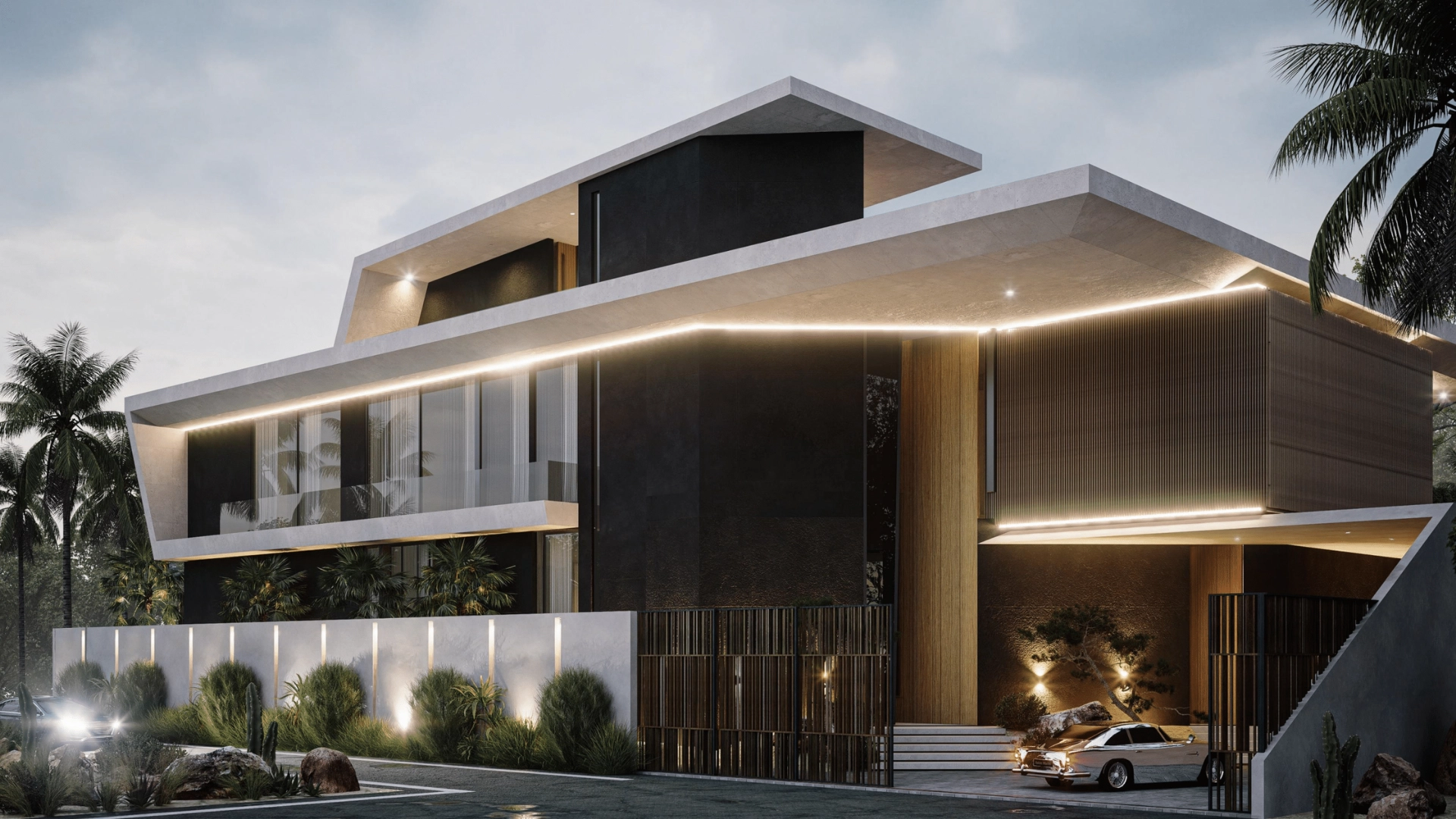
The residential projects in the UAE are deeply personal. They must respond to lifestyle, culture, climate, and family dynamics.
The key characteristics of a residential architecture include
- Human scale and comfort—Spaces are designed around daily routines: cooking, sleeping, socialising, children’s activities, and hosting guests. Proportions, natural light, ventilation, and acoustic comfort are critical.
- Privacy and zoning – Especially in the Gulf context, thoughtful zoning between public, semi‑private, and private areas is essential—guest majlis, family living, service areas, and bedrooms each require their own degree of separation.
- Flexibility for future change – Families grow, needs change, and technology evolves. Smart residential design allows for future extensions, layout adjustments, or upgrades to systems with minimal disruption.
As a leading architectural consultant firm , Gadiyar works closely with homeowners and developers to create homes that are both aspirational and practical.
Commercial Architecture Design
The commercial architecture focuses on the construction of offices, retail, hospitality, industrial, healthcare, and educational buildings. The stakes are higher in terms of safety, occupancy, and commercial performance.
The key characteristics of a commercial architecture include
- Operational efficiency – Circulation, core placement, vertical transportation (lifts, escalators), loading areas, and back‑of‑house services are planned to support smooth operations and reduce bottlenecks.
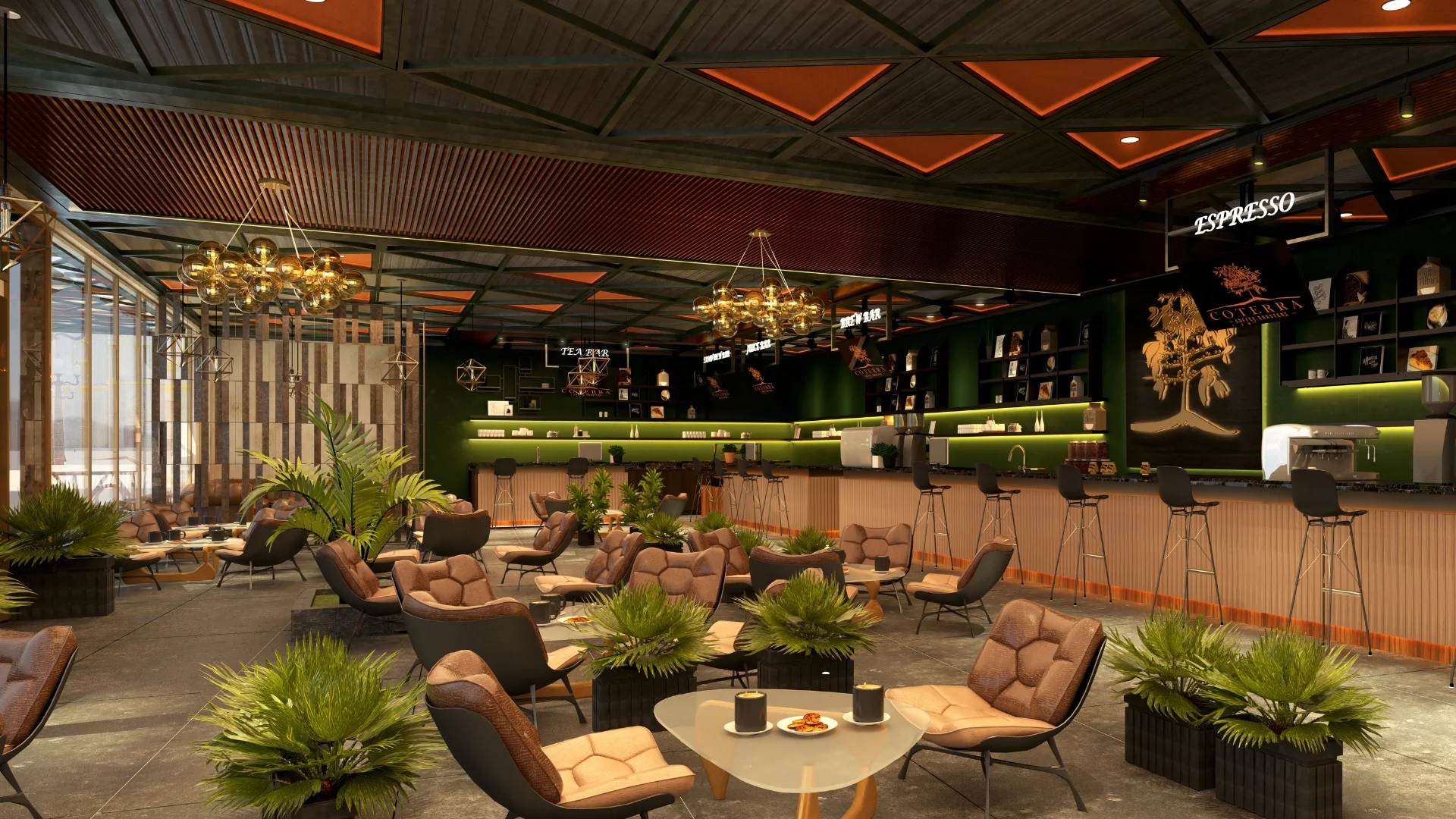
- Brand and experience – The architecture must communicate the organisation’s identity. Focus is on façade design, lobby volumes, interior finishes, and lighting. They all contribute to a memorable experience for customers, tenants, and staff.
- High performance and compliance – Fire safety, accessibility, structural resilience, and MEP (mechanical, electrical, plumbing) systems are more complex in commercial projects due to higher occupancy and specialised uses.
At Gadiyar, we have multi-disciplinary teams of architectural engineering consultants in Dubai. We integrate architecture, structure, and building services from the concept stage.
Design Differences Between Residential and Commercial Architecture
Both residential and commercial architectural designs are safe, durable, and compliant with regulations. However, they have structural and functional differences.
Functional differences:
User profile
- Residential: Individuals and families with long‑term emotional attachment to the space.
- Commercial: Employees, customers, visitors, and tenants with task‑oriented use.
Space planning
- Residential: Emphasis on living rooms, bedrooms, kitchens, balconies, and family zones.
- Commercial: Focus on workstations, meeting rooms, retail floorplates, lobbies, circulation, and service areas.
Foot traffic and flow
- Residential: Lower, more predictable footfall.
- Commercial: High traffic, peak times, and crowd management are key considerations.
Structural and technical differences
Scale and loads
- Residential: Smaller spans, lighter loads; often mid‑rise or low‑rise.
- Commercial: Larger spans, heavier live loads, greater structural complexity (e.g., podiums, basements, long‑span beams).
Building systems
- Residential: Simpler MEP systems, typically focused on comfort and efficiency at the unit level.
- Commercial: Centralised, high‑capacity HVAC, advanced fire detection and suppression, access control, and specialised systems.
Regulatory environment
- Residential: Stringent but relatively straightforward codes.
- Commercial: More extensive regulations for life safety, evacuation, accessibility, parking, and specialised uses.
Top architectural consultants in Dubai, such as Gadiyar, are adept at navigating these distinctions. They make every attempt at optimising both structural design and building services to align with the building’s function and business model.
Sustainability and Energy Efficiency in Design
Dubai is a city known for extreme climate conditions. Both residential and commercial projects must address energy consumption, water use, and long‑term operating costs.
There are separate sustainability conditions that both residential and commercial architectural designs should focus on.
Residential Buildings
- Orientation and shading to reduce solar gain
- High‑performance glazing and well‑insulated envelopes
- Natural ventilation where feasible
- Efficient HVAC and lighting systems
- Provision for solar panels and water‑saving fixtures
Commercial buildings
- Efficient building envelopes for towers and large façades
- Smart building management systems (BMS) for real‑time monitoring
- Zoning of HVAC for different occupancies and operating hours
- Use of low‑VOC materials and improved indoor air quality standards
- Integration of green certifications and ESG objectives for investors and tenants
At Gadiyar, we focus on energy‑efficient solutions and innovative materials.
Technology and Innovation in Design
Technology is redefining how buildings are designed, delivered, and operated. The top engineering consultants in Dubai use these tools to deliver better outcomes for both residential and commercial clients.
The key innovations in this area include
- Digital design and coordination – Building Information Modelling (BIM) allows architects, structural consultants, and MEP teams at firms like Gadiyar to work on a unified model, reducing clashes, cost overruns, and construction delays.
- Smart building systems – In residential projects, this may mean home automation, smart security, and energy monitoring. In commercial projects, it scales to integrated access control, occupancy sensors, dynamic lighting, and predictive maintenance systems.
- Parametric and performance‑driven design – Advanced tools enable optimisation of façades for daylight, heat gain, and structural performance—especially in high‑rise commercial developments across Dubai.
- Off-site and modular construction – Both residential and commercial projects increasingly explore prefabricated components for faster build times, improved quality, and reduced site waste.
Why choose Gadiyar for Architectural Design Consultants?
Are you planning a bespoke villa, a G+7 residential building, a mixed‑use tower, or a large‑scale commercial development? The choice of a consultant directly impacts cost, quality, approvals, and overall project success.
Gadiyar Engineering Consultants brings together this rare combination of architectural creativity, engineering rigour, and regional expertise. We offer end‑to‑end solutions—from architecture and structural design to interiors and engineering consultancy.